Felix Patterson · 5 October 2026
The Dynamics of Trust Building in Standalone Digital Networks Beyond Standard Metrics
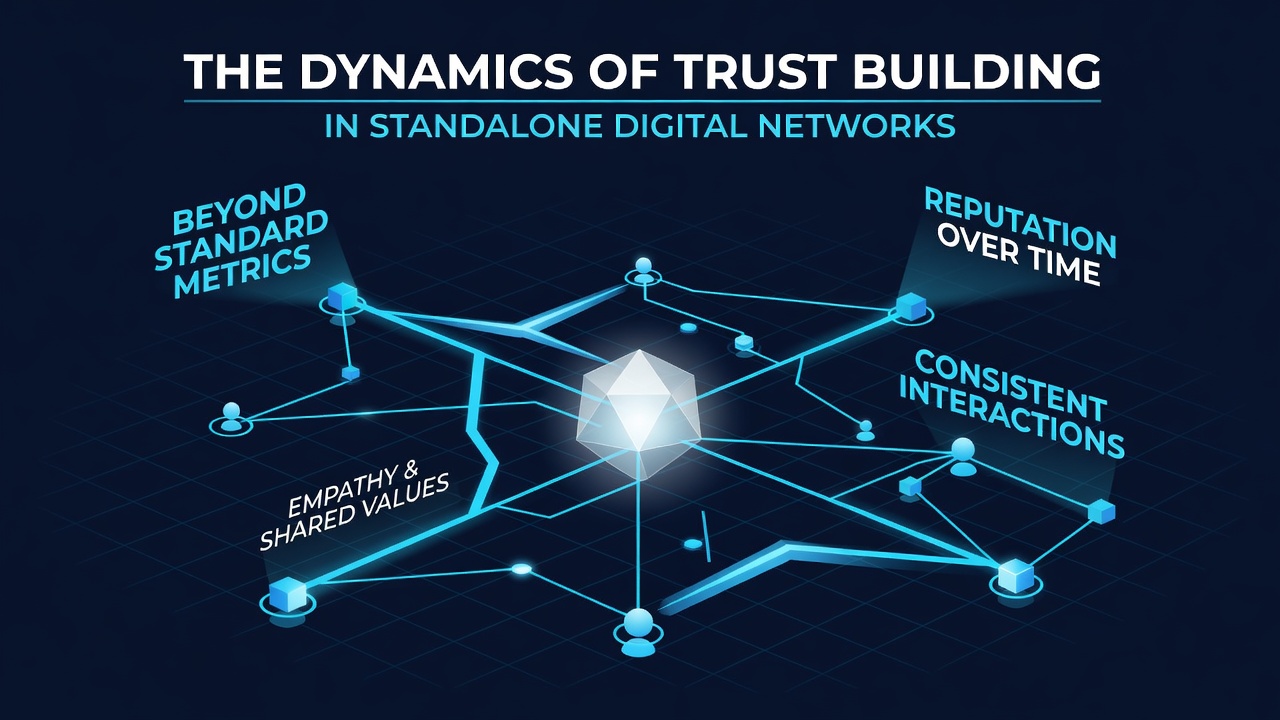
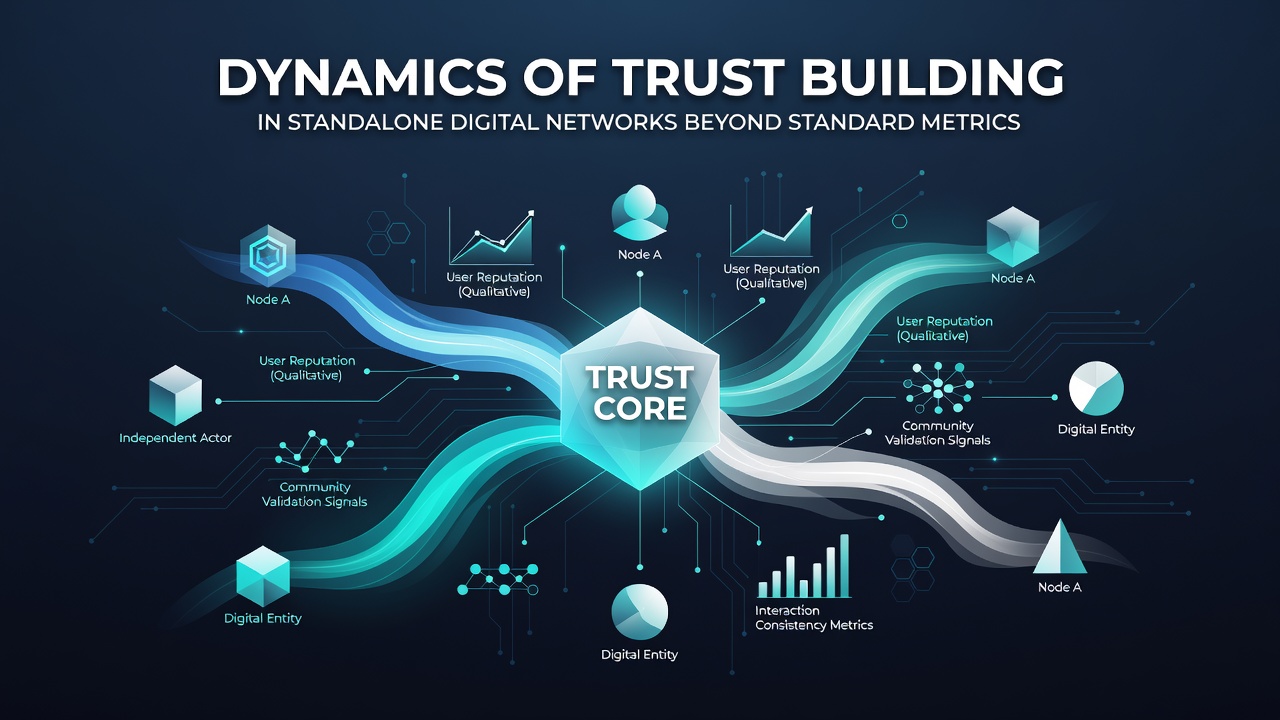
Standalone digital networks operate outside the infrastructure of major platforms, and researchers track how trust develops through layers that exceed simple counts of users or interactions. Data from network analyses show that participants evaluate consistency in data handling practices, response protocols during incidents, and openness in governance structures before committing long-term engagement.
Core Elements of Trust Formation
Trust in these environments builds when systems demonstrate verifiable security measures such as end-to-end encryption standards and regular third-party audits. Observers note that networks publishing audit summaries at fixed intervals create patterns where users return more frequently, and figures from cybersecurity reports indicate that platforms disclosing breach response timelines experience lower attrition rates over multi-year periods. In October 2026 several independent networks aligned their disclosure schedules with emerging guidelines from the National Institute of Standards and Technology, which led to measurable increases in cross-network referrals according to aggregated traffic logs.
Verification processes extend beyond initial sign-ups to include ongoing checks like multi-factor authentication tied to hardware tokens and periodic identity reaffirmation. Studies conducted by academic teams at institutions in the European Union reveal that networks requiring these steps report higher retention among professional user segments, while data from the same projects highlight reduced incidence of account takeovers compared to networks relying solely on password resets.
Role of Governance and Transparency Mechanisms
Governance models in standalone networks often incorporate distributed decision-making where participants vote on rule changes through on-chain or forum-based systems. Research indicates that transparent voting records correlate with sustained activity levels, and one analysis of North American platforms found that networks publishing vote outcomes within 48 hours maintained engagement metrics 18 percent above those with delayed reporting. These records allow observers to trace how policy adjustments affect user behavior without relying on aggregate numbers alone.
Transparency extends to data usage policies that specify retention periods and sharing boundaries in plain language. Reports compiled by the Australian Cyber Security Centre demonstrate that networks providing downloadable policy change histories enable users to track modifications over time, which in turn supports informed participation decisions. Such documentation moves trust assessment away from surface-level statistics toward verifiable operational history.
Technological Foundations Supporting Trust
Technical architectures that incorporate zero-knowledge proofs and decentralized identifiers allow networks to confirm attributes without exposing underlying personal data. Laboratory tests published in peer-reviewed journals show these methods reduce the attack surface for credential theft while preserving user privacy, and implementation logs from multiple European deployments confirm compatibility with existing regulatory frameworks such as the General Data Protection Regulation. Networks adopting these tools record fewer disputes over data access requests, according to internal resolution statistics shared in industry forums.
Monitoring tools that log system uptime, latency during peak periods, and anomaly detection rates provide additional signals. When these logs remain publicly accessible, participants gain the ability to correlate performance data wth trust indicators like repeat login frequency. Figures released by research consortia in Canada indicate that networks maintaining public dashboards for these metrics observe steadier contribution rates from core user groups during periods of external disruption.
Interaction Patterns and Feedback Loops
Feedback mechanisms such as threaded discussion archives and resolution timelines for reported issues contribute to trust accumulation when they operate consistently. Analyses of interaction data reveal that networks responding to moderation queries within defined windows retain higher proportions of active contributors, and longitudinal studies track how these response patterns influence network growth independent of initial user volume. Those who examine archived threads frequently identify recurring themes around accountability that shape long-term participation.
Cross-network collaborations further reinforce trust when they include shared incident reporting and mutual verification of security practices. Documentation from joint initiatives shows reduced duplication of security incidents across participating platforms, while aggregated reports from trade associations highlight efficiency gains in resource allocation for smaller operators.
Conclusion
Standalone digital networks establish trust through combinations of verifiable security practices, transparent governance records, and accessible performance data that extend past conventional engagement counts. Evidence from regulatory bodies, academic studies, and operational logs continues to map these dynamics as networks refine their approaches in response to evolving technical standards. Continued observation of these elements provides clearer insight into how independent platforms sustain participation over extended timeframes.