Petra Sullivan · 7 September 2026
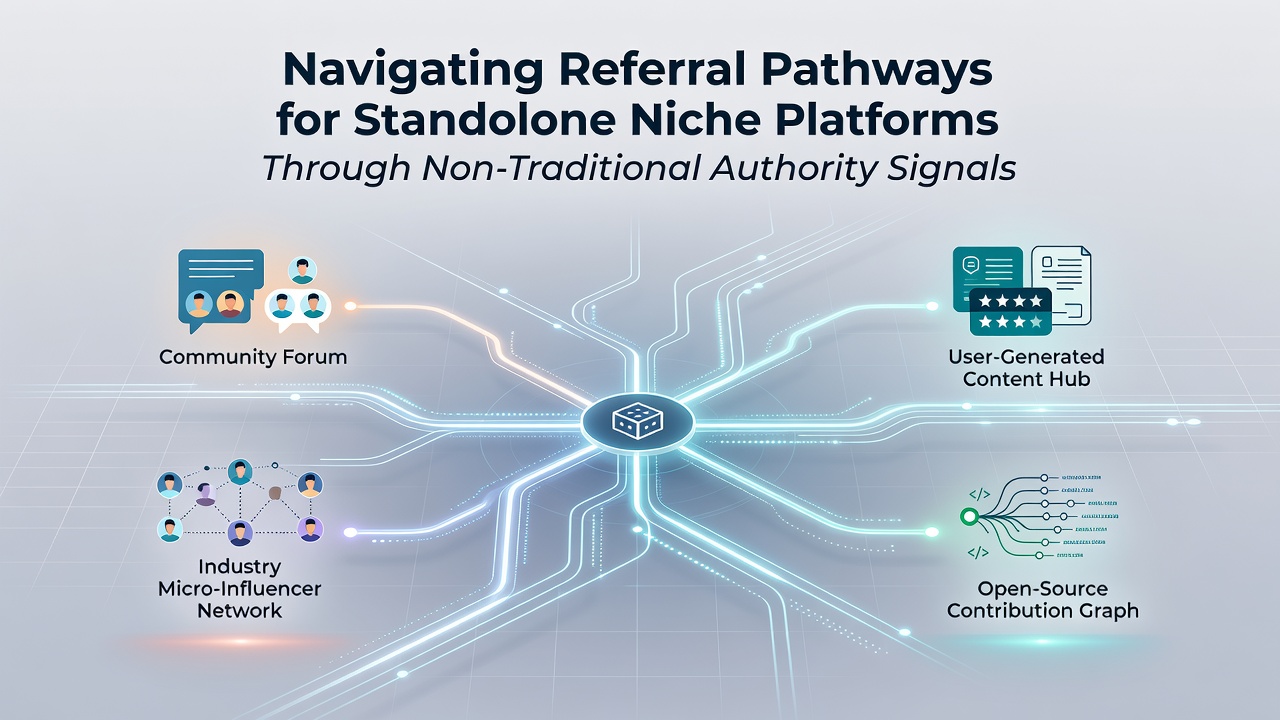
Navigating Referral Pathways for Standalone Niche Platforms Through Non-Traditional Authority Signals
Standalone niche platforms operate in specialized markets where traditional backlink strategies often fall short, and referral pathways emerge instead through mentions in community discussions, expert citations, and data collaborations that signal credibility. Research indicates these platforms build visibility by leveraging signals such as user-generated endorsements, cross-platform partnerships, and content shared within targeted forums, while data from digital economy reports shows referral traffic growing when authority derives from consistent presence in niche conversations rather than broad link volume. Observers note that platforms in areas like independent software tools or specialized hobby resources achieve measurable referral gains by focusing on these indirect markers, and figures from 2025 platform analyses reveal increased user acquisition rates tied to such methods.Defining Non-Traditional Authority Signals in Digital Ecosystems
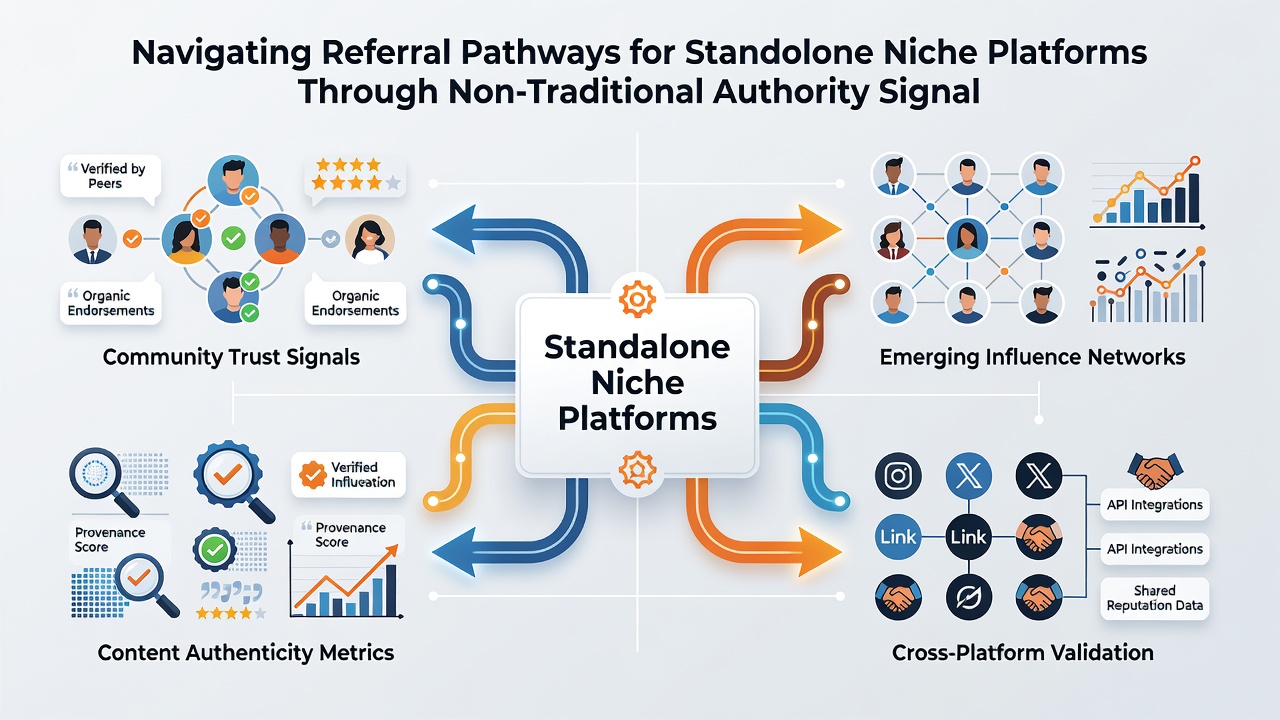
Non-traditional authority signals include brand mentions across independent blogs, citations in research summaries, and endorsements from niche communities that carry weight with both users and algorithms. Studies from academic institutions highlight how these elements function as referral triggers because search systems and recommendation engines incorporate contextual relevance alongside quantitative metrics, whereas conventional domain authority measures alone fail to capture the dynamics in isolated market segments. Those who track platform performance observe that signals such as repeated references in specialized podcasts or inclusion in curated resource lists correlate with higher referral quality, and evidence from multiple industry datasets confirms platforms using these approaches record steadier traffic patterns over time.
Mapping Referral Pathways for Independent Sites
Referral pathways for standalone niche platforms develop through sequenced interactions where initial mentions lead to secondary shares, and those shares generate further citations that compound visibility. Data shows platforms that participate in collaborative projects, such as joint webinars or shared datasets, experience referral lifts because participating entities naturally reference each other in follow-up materials, while regulatory updates scheduled for September 2026 in several jurisdictions are expected to emphasize transparency in digital endorsements, potentially standardizing how such pathways are documented. Experts tracking these trends point to examples where platforms in the environmental monitoring niche secured referrals after contributing data to public repositories, and similar patterns appear in creative tool communities where shared templates prompted organic links and mentions.
Building Pathways Through Content Collaborations
Content collaborations serve as primary mechanisms for establishing non-traditional signals because shared articles or co-authored reports prompt reciprocal references that algorithms interpret as endorsement clusters. Research indicates platforms engaging in quarterly roundups with complementary sites record higher referral volumes, and one documented case involved a specialized analytics tool provider that contributed methodology sections to industry reports, resulting in sustained mentions across academic and practitioner channels. Those monitoring referral analytics note that these partnerships succeed when the shared material addresses specific pain points within the niche, and statistics from platform usage surveys demonstrate that referral conversion improves when authority signals align with audience expertise levels.
Implementing Strategies Across Geographic Markets
Platforms in different regions adapt these pathways by aligning with local data sources and community structures, and a report from the Australian Competition and Consumer Commission outlines how niche digital services gain traction through citations in government-supported innovation directories. Platforms based in Canada have utilized similar approaches by referencing Statistics Canada datasets in their resources, which in turn generates inbound referrals from educational and research sites. Observers note that September 2026 regulatory reviews across multiple markets may introduce new guidelines on data attribution, and platforms preparing now through transparent citation practices position themselves for continued referral stability.
Measuring Outcomes and Adjusting Tactics
Measurement frameworks track referral sources through analytics that distinguish between direct mentions and algorithmic amplification, and data from platform monitoring tools reveals that signals such as inclusion in expert-curated lists produce longer-lasting referral streams than one-off social shares. Platforms that review citation patterns quarterly identify which signals drive qualified traffic, and studies indicate adjustments based on these reviews maintain referral momentum even as algorithms evolve. Those analyzing performance across sectors observe that niche platforms combining multiple signal types, such as forum participation paired with data contributions, achieve more resilient pathways than those relying on single methods.
Conclusion
Standalone niche platforms navigate referral pathways effectively when they prioritize non-traditional authority signals through consistent community engagement, collaborative content, and transparent data practices. Research from varied sources confirms these approaches generate sustainable referral traffic, and upcoming regulatory developments in September 2026 underscore the need for clear attribution methods. Platforms that integrate these elements into ongoing operations position referral sources to function as reliable growth channels within their specialized markets.